
AUGCAGUCGAUGCUAGCAUGCGUACUGAUCAUAUGCAGUCGAUGCUAGCAUGCGUACUGAUCAU
GCUAGCAUGCUAGUCAGCUAGCAUGCUAGCUGGCUAGCAUGCUAGUCAGCUAGCAUGCUAGCUG
Sanford Research · Sioux Falls, SD

Khurshid Lab

Investigating dysregulated alternative splicing in cancer — identifying differentially expressed isoforms and the RNA-binding proteins controlling them to advance precision oncology.

Scroll

About the Lab

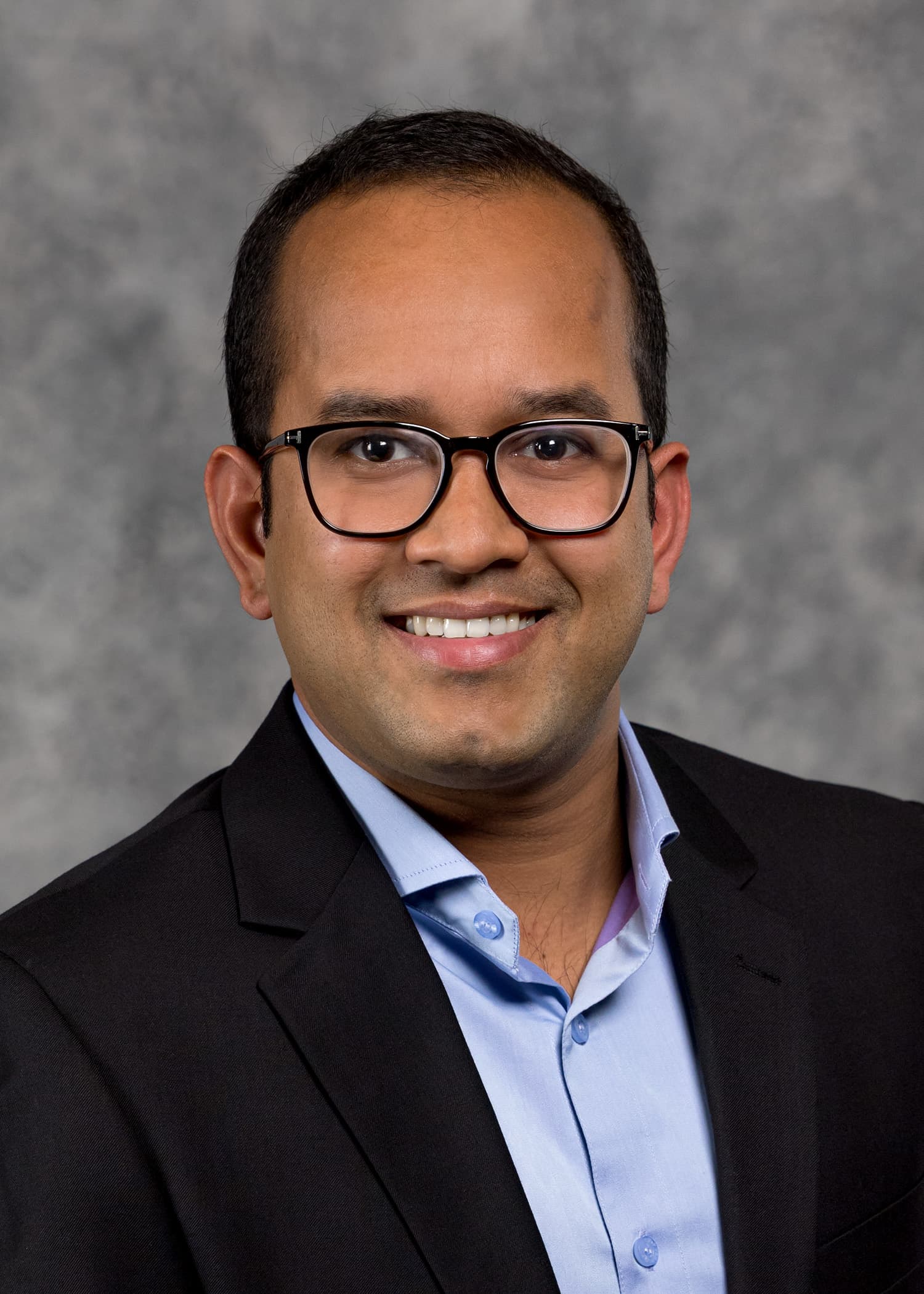
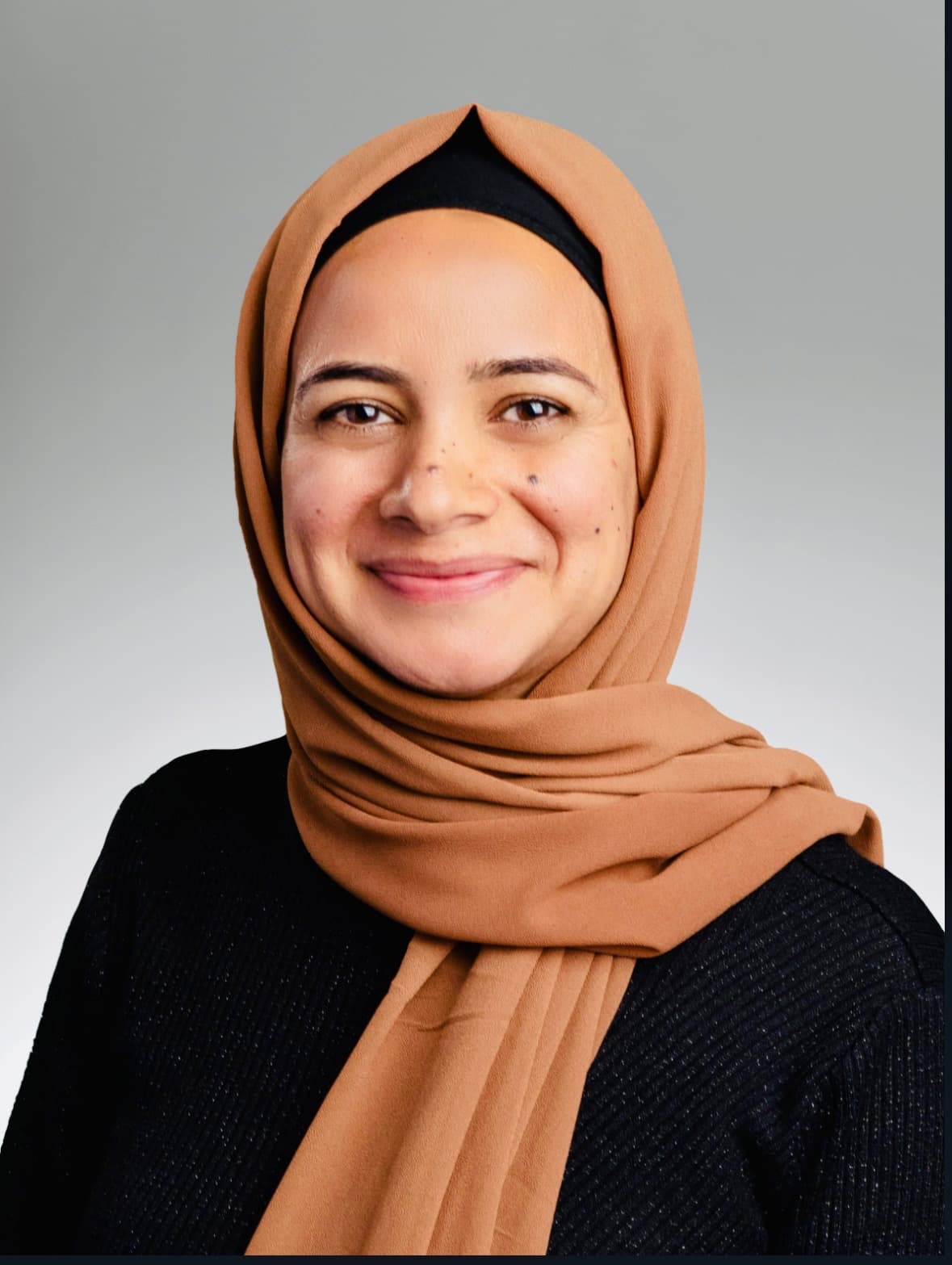
Dr. Safiya Khurshid

Dr. Safiya Khurshid

Principal Investigator

Safiya Khurshid is a trained cancer biologist dedicated to advancing the understanding of tumor biology to drive drug development and innovative cancer therapies. Her research journey began at the University of Hyderabad, where she worked on the biology of malarial parasites under the guidance of Dr. Arun Kumar Kota.

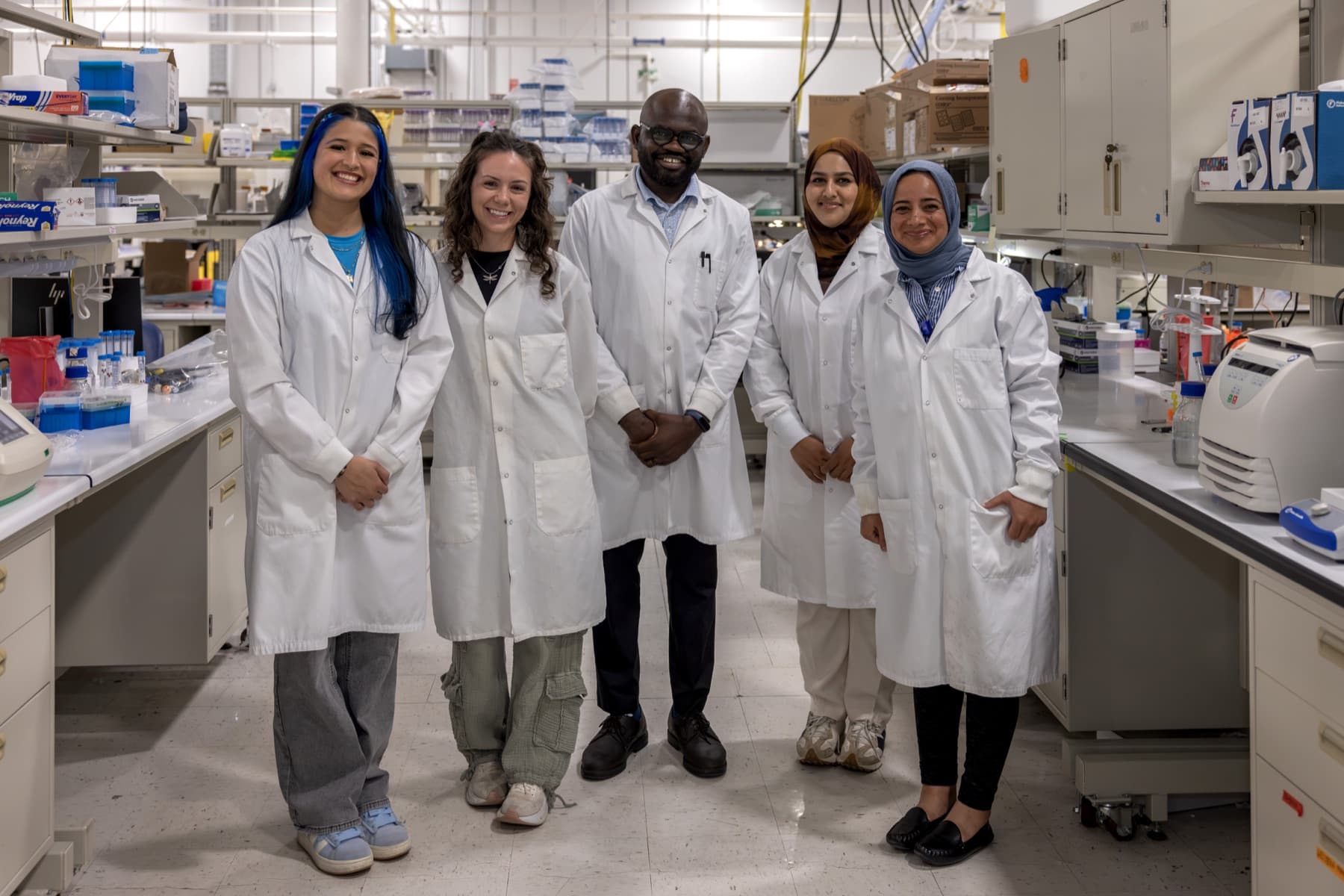
Khurshid Lab team in the lab at Sanford Research

What Drives Us

Alternative splicing is frequently dysregulated in cancer, contributing to tumor progression and therapy resistance. Our goal is to identify the isoforms that are differentially expressed in tumors and elucidate the RNA-binding proteins responsible for mediating these changes. Using long-read sequencing technology, we aim to precisely characterize these isoforms in stressed cells and patient samples, paving the way for targeted therapies and adding a new dimension to cancer treatment strategies.

News & Updates

Latest from the Lab

Dr. Khurshid featured in AACR Pediatric Cancer Working Group spotlight
LatestAwardOctober 2026

Dr. Khurshid featured in AACR Pediatric Cancer Working Group spotlight

The AACR Pediatric Cancer Working Group profiled Dr. Safiya Khurshid in its Across the Map researcher spotlight, highlighting the lab's work on how metabolic stress in the tumor microenvironment reshapes alternative splicing in pediatric cancer.

Read more

ConferenceSeptember 2026

Dr. Khurshid speaks on Biomed Computation and AI panel at USD

Dr. Safiya Khurshid was a panelist on Biomed Computation and AI at the 2nd Annual SDBCC Symposium at the University of South Dakota, sharing how a wet-lab scientist can run computational studies directly with AI.

Lab UpdateJuly 2026

Liver-cancer splicing study built with Claude Science

Dr. Khurshid released an open-source study linking alternative splicing to protein levels and patient survival in liver cancer, built with Anthropic's Claude Science on the Researcher Track.

Read more
ConferenceMarch 2026

Dr. Khurshid presents at COG Liver Tumor Committee Biology Meeting

Dr. Safiya Khurshid presented her research at the Children's Oncology Group (COG) Liver Tumor Committee monthly biology meeting, sharing the lab's work on alternative splicing in pediatric cancers.

AUGCAU

Research Focus

Decoding Cancer Through RNA Biology

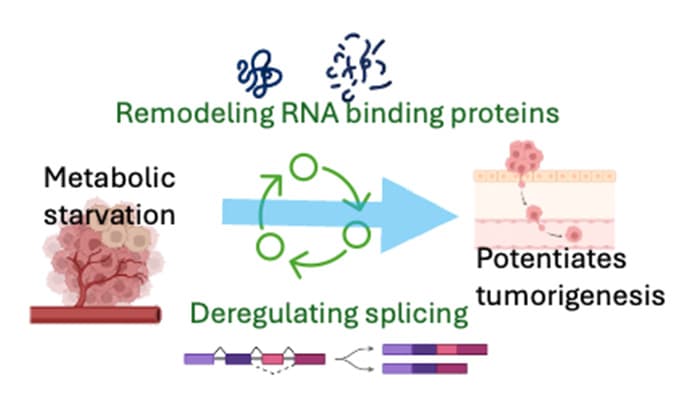
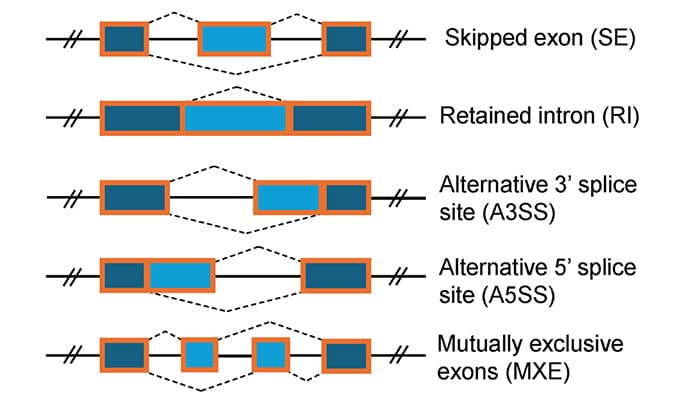
Cancer doesn't just alter gene expression; it rewires alternative splicing of RNA. Tumor microenvironmental stress such as metabolic starvation drives alternative splicing changes that fuel tumor growth, metastasis, and therapy resistance. Our lab deciphers how these stresses reshape splicing programs by identifying the isoforms that emerge and the RNA-binding proteins that control them, uncovering new mechanisms and therapeutic targets in aggressive cancers.

By leveraging cutting-edge short read and long-read sequencing in metabolically stressed cells and patient samples, we aim to map splicing regulation with unprecedented precision, opening new avenues for targeted therapies and transforming cancer treatment.

Interactive — Alternative Splicing

pre-mRNA
5′
Exon 1
Intron 1
Exon 2
Intron 2
Exon 3
3′

Newly transcribed pre-mRNA contains both exons (coding sequences) and introns (non-coding sequences).

Analyze Patient Data to Map the Splicing Landscape in Pediatric Cancer
01

Analyze Patient Data to Map the Splicing Landscape in Pediatric Cancer

By leveraging publicly available short- and long-read sequencing data from pediatric cancer patient samples, we apply advanced bioinformatics tools to identify alternative splicing events and RNA-binding protein expression changes. This analysis reveals differentially spliced genes in tumors, which we further investigate in the lab to develop as potential therapeutic targets.

Alternative Splicing Under Metabolic Starvation & Splice-Switching Oligonucleotides
02

Alternative Splicing Under Metabolic Starvation & Splice-Switching Oligonucleotides

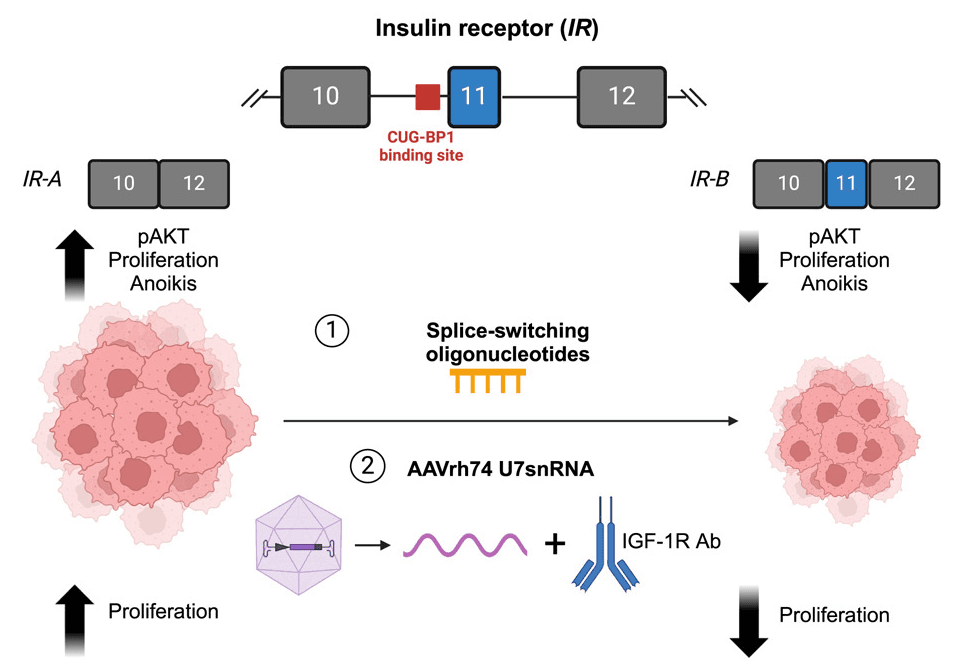
Tumor microenvironmental factors such as metabolic starvation and hypoxia can alter gene splicing, producing isoforms that may enhance tumorigenesis. Our objective is to identify these specific isoforms and design Splice Switching Oligonucleotides (SSOs) to target the pre-mRNA, aiming to restore normal splicing patterns and mitigate tumorigenic properties.

Investigate the Role of RNA-Binding Proteins in Metabolic Starvation
03

Investigate the Role of RNA-Binding Proteins in Metabolic Starvation

Metabolic starvation modifies the expression, phosphorylation, and localization of RNA-binding proteins, that influences alternative splicing and regulates multiple aspects of tumorigenesis. Our goal is to analyze and understand these RBP dynamics and map their binding patterns on pre-mRNA in both control and metabolically starved tumor environments.

Techniques & Equipment

Methods at the Bench

Our questions span from patient-data analysis to the wet bench. We pair isoform-resolution sequencing with RNA-targeting chemistry and tumor-stress models to identify dysregulated splicing and act on it.

Sequencing & Transcriptomics

Resolving the transcriptome at isoform-level detail to see how splicing is rewired in tumors.

  • Short-read RNA sequencing (Illumina)
  • Long-read RNA sequencing
  • Splicing-aware bioinformatics & isoform quantification
  • RNA-binding protein expression profiling

RNA & Splicing Biology

Reading and rewriting pre-mRNA splicing to turn oncogenic isoforms back toward normal.

  • Splice-Switching Oligonucleotide (SSO) design
  • AAVrh74.U7 snRNA splice-modulation delivery
  • RNA-binding protein binding-site mapping
  • RT-PCR & minigene splicing assays

Cell & Disease Models

Recreating tumor-microenvironmental stress to study the splicing programs it drives.

  • Cancer cell culture (sarcoma & pediatric tumor lines)
  • Metabolic-starvation & hypoxia stress models
  • Patient tumor sequencing data

AI-Powered Research

At the Frontier of AI in Academia

We treat AI as a genuine research partner — accelerating data analysis and hypothesis generation so a wet-lab team can take on computational questions directly.

Publications

Selected Publications

10 publications

2024

Employing splice-switching oligonucleotides and AAVrh74.U7 snRNA to target insulin receptor splicing and cancer hallmarks in osteosarcoma

Safiya Khurshid, Akila S. Venkataramany, Matias Montes, John F. Kipp, Ryan D. Roberts, Nicolas Wein, Frank Rigo, Pin-Yi Wang, Timothy P. Cripe, Dawn S. Chandler

Molecular Therapy OncologyDOI: 10.1016/j.omton.2024.200908
View

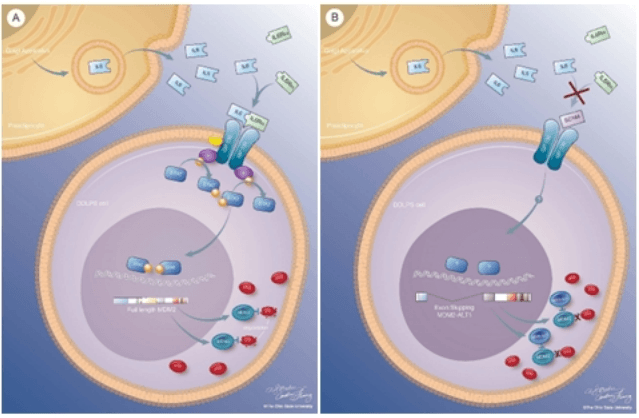
Blockade of Interleukin-6 (IL-6) Signaling in Dedifferentiated Liposarcoma (DDLPS) Decreases Mouse Double Minute 2 (MDM2) Oncogenicity via Alternative Splicing

Abeba Zewdu, Danielle Braggio, Gonzalo Lopez, Kara Batte, Safiya Khurshid, Fernanda Costas de Faria, Hemant K. Bid, David Koller, Lucia Casadei, Katherine J. Ladner, David Wang, Valerie Grignol, O. Hans Iwenofu, Dawn Chandler, Denis C. Guttridge, Raphael E. Pollock

bioRxivDOI: 10.1101/2024.02.21.581397
View

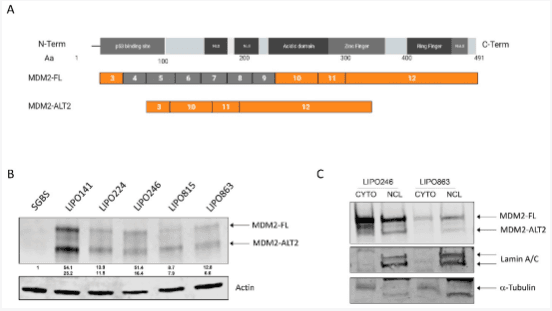
Oncogenic Functions of Alternatively Spliced MDM2-ALT2 Isoform in Retroperitoneal Liposarcoma

Fernanda Costas C. de Faria, Safiya Khurshid, Patricia Sarchet, Sayumi Tahara, Lucia Casadei, Valerie Grignol, Roma Karna, Sydney Rentsch, Nipin Sp, Joal D. Beane, Luciano Mazzoccoli, Matias Montes, Giovanni Nigita, Joe T. Sharick, Jennifer L. Leight, Federica Calore, Dawn S. Chandler, Raphael E. Pollock

Int. J. Mol. Sci.DOI: 10.3390/ijms252413516
View
2022

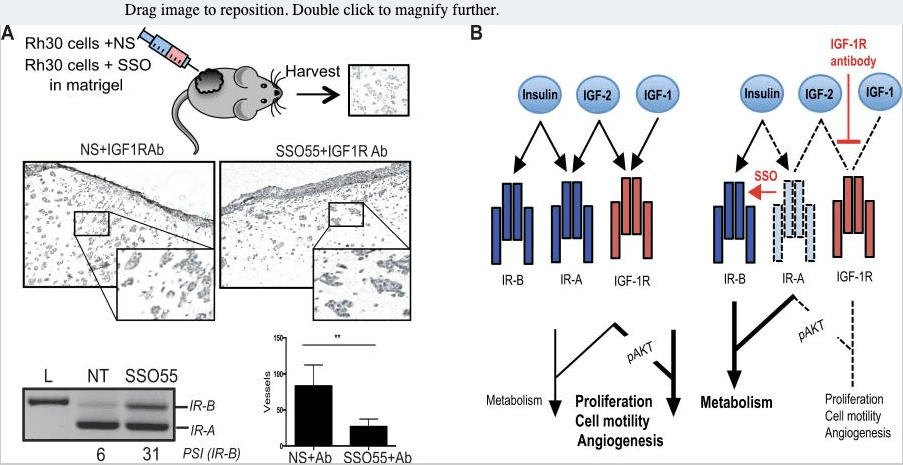
Splice-switching of the insulin receptor pre-mRNA alleviates tumorigenic hallmarks in rhabdomyosarcoma

Safiya Khurshid, Matias Montes, Daniel F Comiskey Jr, Brianne Shane, Eleftheria Matsa, Francesca Jung, Chelsea Brown, Hemant Kumar Bid, Ruoning Wang, Peter J Houghton, Ryan Roberts, Frank Rigo, Dawn Chandler

NPJ Precis. Oncol.DOI: 10.1038/s41698-021-00245-5
View
2020

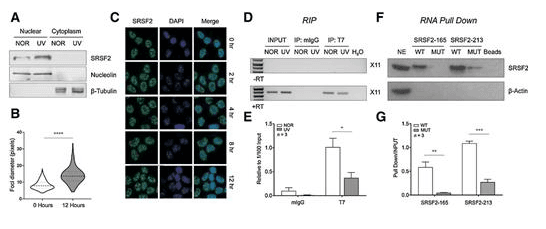
SRSF2 Regulation of MDM2 Reveals Splicing as a Therapeutic Vulnerability of the p53 Pathway

Daniel F Comiskey Jr, Matias Montes, Safiya Khurshid, Ravi K Singh, Dawn S Chandler

Mol. Cancer Res.DOI: 10.1158/1541-7786.MCR-19-0541
View
2018

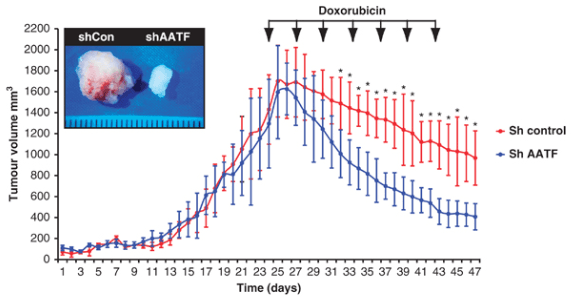
AATF suppresses apoptosis, promotes proliferation and is critical for Kras-driven lung cancer

Daniela Welcker, Manaswita Jain, Safiya Khurshid, Mladen Jokic, Martin Hohne, Anna Schmitt, Peter Frommolt, Carien M Niessen, Judith Spiro, Thorsten Persigehl, Maike Wittersheim, Reinhard Buttner, Maurizio Fanciulli, Bernhard Schermer, Hans Christian Reinhardt, Thomas Benzing, Katja Hopker

OncogeneDOI: 10.1038/s41388-017-0054-6
View
2017

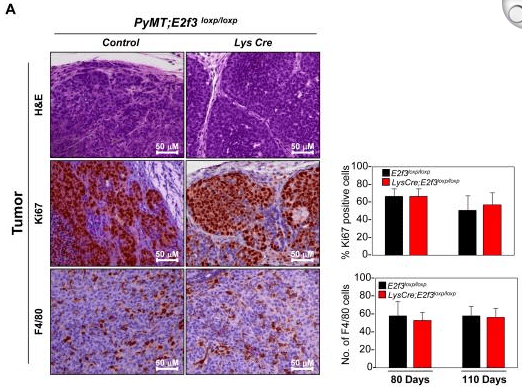
E2f3 in tumor macrophages promotes lung metastasis

Prashant Trikha, Nidhi Sharma, Clarissa Pena, Andreas Reyes, Thierry Pecot, Safiya Khurshid, Maysoon Rawahneh, Julie Moffitt, Julie A Stephens, Soledad A Fernandez, Michael Ostrowski, Gustavo Leone

OncogeneDOI: 10.1038/onc.2015.429
View

Discovery of Stromal Regulatory Networks that Suppress Ras-Sensitized Epithelial Cell Proliferation

Huayang Liu, James A. Dowdle, Safiya Khurshid, Nicholas J. Sullivan, Nicholas Bertos, Komal Rambani, Markus Mair, Piotr Daniel, Esther Wheeler, Xing Tang, Kyle Toth, Michael Lause, et al., Gustavo Leone

Dev. CellDOI: 10.1016/j.devcel.2017.04.024
View
2012

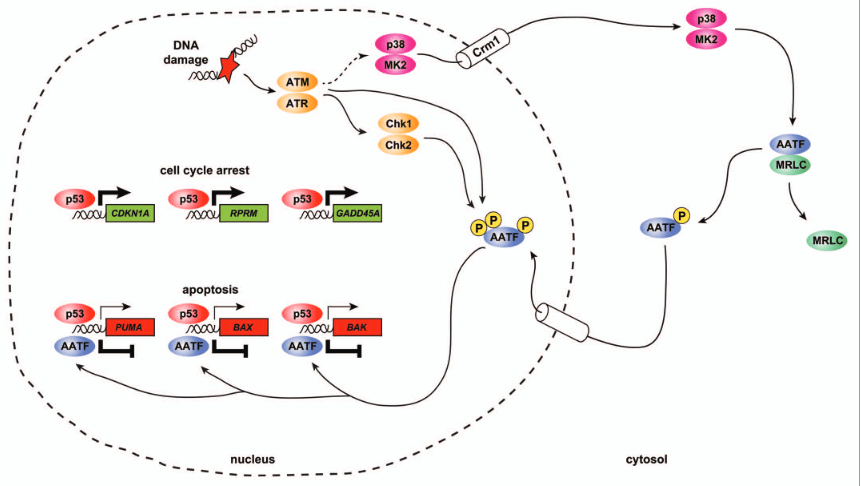
AATF/Che-1 acts as a phosphorylation-dependent molecular modulator to repress p53-driven apoptosis

Katja Hopker, Henning Hagmann, Safiya Khurshid, Shuhua Chen, Pia Hasskamp, Tamina Seeger-Nukpezah, Katharina Schilberg, Lukas Heukamp, Tobias Lamkemeyer, Martin L Sos, et al., Thomas Benzing

EMBO J.DOI: 10.1038/emboj.2012.236
View

Putting the brakes on p53-driven apoptosis

Katja Hopker, Henning Hagmann, Safiya Khurshid, Shuhua Chen, Bernhard Schermer, Thomas Benzing, Hans Christian Reinhardt

Cell CycleDOI: 10.4161/cc.21997
View

Our Team

Meet the Researchers

Dr. Safiya Khurshid

Dr. Safiya Khurshid

Principal Investigator

PhD

Safiya is passionate about cancer biology and wants to figure out how tumor cells as well as the cells in the tumor microenvironment use alternative splicing to increase their tumorigenic potential. Outside of research Safiya enjoys spending time with her family, watching soccer with them (Manchester United fans at heart) and watching her family members (M, A and L) play soccer.

safiya.khurshid@sanfordhealth.org

Summer Students

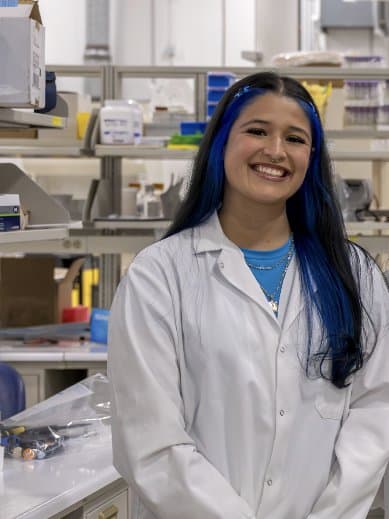
Aiyana Gonzales

Aiyana Gonzales

Summer Student

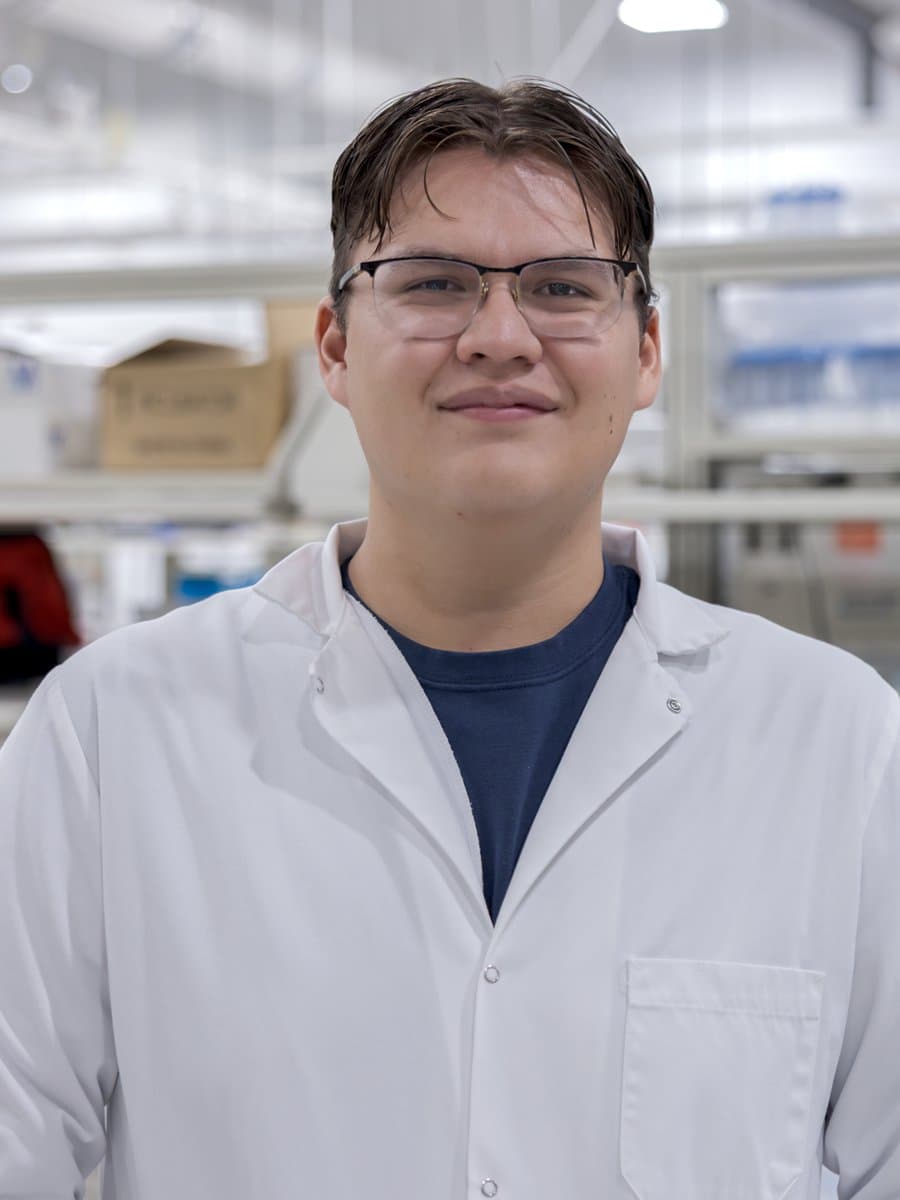
Richard

Richard

Summer Student

Former Members

Moin Talukder

Moin Talukder

Senior Research Specialist

Join the Lab

Open Positions

We are always looking for passionate scientists to join our team. If you are interested in RNA biology, cancer research, and making a difference in pediatric oncology — we want to hear from you.

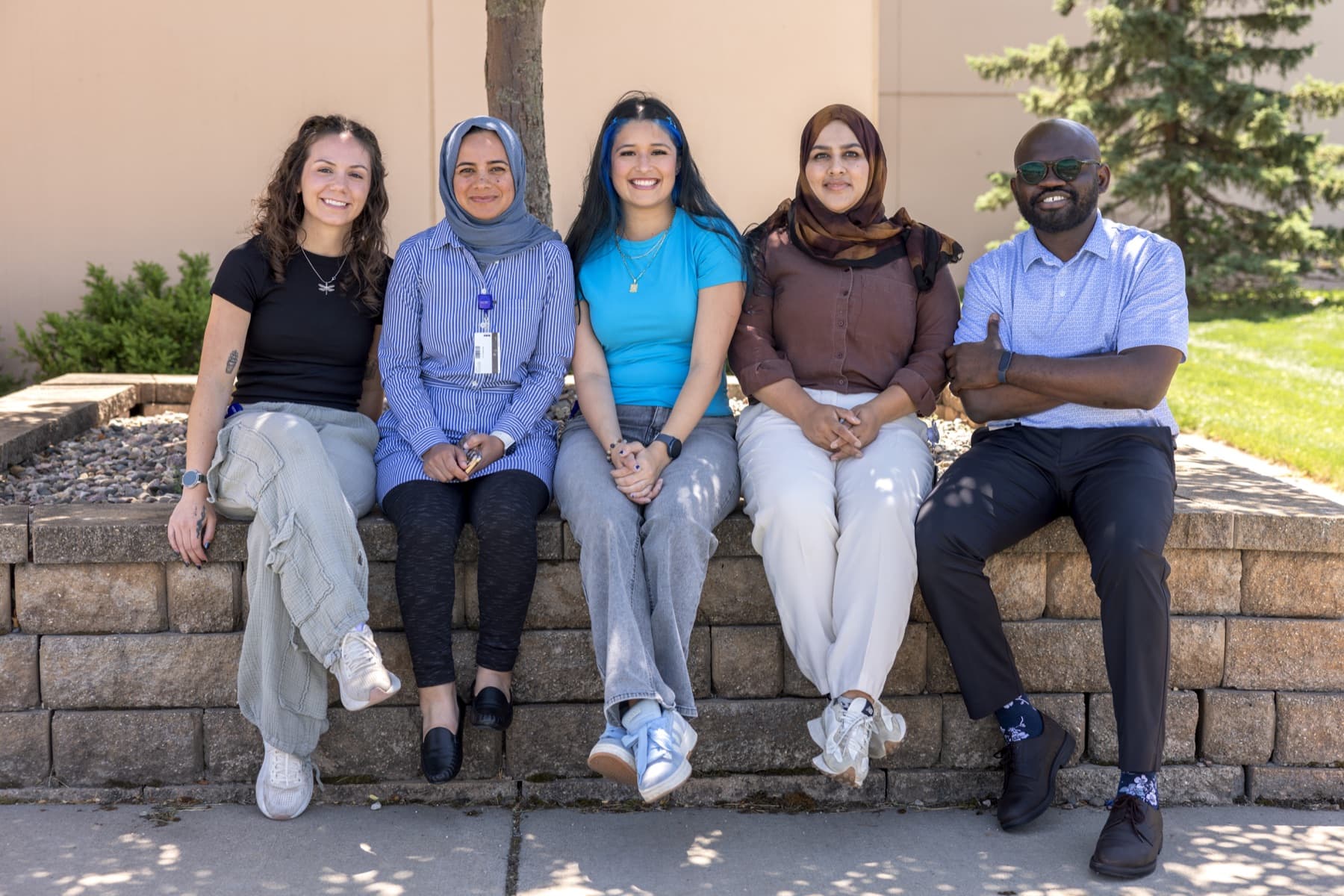
Khurshid Lab members outside Sanford Research

There are no open positions at this time. We welcome speculative applications from motivated candidates at any stage.

Get In Touch

Contact

Get In Touch

Interested in our research or potential collaboration? We'd love to hear from you.